
February 2026 NEWSLETTER
PMA wants to hear from you! Please visit the link below to indicate your interest with Amping up PMA Engagement
PMA Ambassador Recruitment Questions (link)
Please feel free to reach out if you have any questions 😊

“Strong management is not optional — it is essential to the integrity of the Service.”
Dear PMA Members,
For 45 years, the Professional Managers Association has represented IRS managers and management officials. PMA was formed in 1981 by IRS leaders who believed managers needed a strong, independent voice. That mission continues today .
We are not a union. We are a manager association recognized under federal law. Agencies are required to consult with associations like ours when memberships are primarily supervisory and managerial employees. That consultative role matters. It gives IRS managers a formal channel to elevate operational concerns and propose solutions.
PMA exists to improve IRS operations, strengthen personnel management, and support leadership excellence across the Service.
In 2026, that role is more important than ever.
Turning Manager Experience into Action
IRS managers see challenges first. You know when staffing levels do not match workload. You know when span of control becomes too wide. You know when modernization timelines do not reflect operational realities.
The most effective way to elevate these issues is through clear data!
Here are examples managers can use:
1. Staffing Needs
Instead of saying, “We need more people,” present:
When you show that inventory per employee increased 22% while staffing decreased 15%, the need becomes measurable.
2. Span of Control
Provide:
If one manager now supervises 18 employees instead of 12, that change affects coaching, engagement, and accountability.
3. Training Gaps
Document:
Data supports the case for structured onboarding and leadership development.
4. Modernization Impacts
Track:
This shows leadership what implementation looks like at the ground level.
Why Our Collective Voice Matters
PMA works through:
When managers share real, measurable information, PMA can elevate those concerns effectively.
Our advocacy has already made an impact. PMA was the first to advocate for the Manager Advantage program, supported improvements to pay banding and performance bonus calculations, helped members seek salary overpayment waivers, and worked to ensure safe working conditions.
These outcomes began with managers sharing what was happening in their workplaces.
Raise your voice—not with volume, but with DATA!
Leadership Excellence in Practice
Strong managers:
Good data strengthens credibility. Clear communication builds trust.
When managers speak with facts and professionalism, agency leadership can make better decisions.
Building the Future of IRS Leadership
PMA is led by active IRS leaders who understand your work because they do the work. Our Board represents diverse functions across the Service. Our association has awarded many educational scholarships and provided emergency support to members when needed.
But our strength has always come from engaged leaders who are willing to share their insight.
When more managers participate, more real-world information reaches decision-makers. That strengthens the entire Service.
IRS managers are the steady force that keeps this agency moving forward.
Continue leading with clarity.
Continue documenting your operational realities.
Continue sharing your perspective.
When leadership voices are informed and united, the IRS is stronger.
With respect,
James Collins
National President
Professional Managers Association
The Voice of Leaders in Public Service™️
2025 - 2026 Leadership Succession Review Modified
Stage Presentation Schedule
Prior sessions are recorded and a new session is
coming up soon!
Microsoft Teams, All start times 12pm EST
Title
Date
Meeting ID
Passcode
10/2/25
rn2d2xH6
12/11/25
qg7UD9oR
1/08/26
vz3do2KR
Stage 3
3/05/26
eH2DH2rb
Stage 4
5/7/26
cC2QV69w


This month’s headlines continue to focus on the operational pressures facing IRS managers as the agency navigates the 2026 filing season with a significantly reduced workforce.
Managers across the IRS are having to reassign, cross-train, and deploy staff in new ways just to sustain core mission outputs during one of the busiest parts of the year.
Independent oversight continues to raise concerns:
This environment puts added emphasis on managerial coordination, training, and resource prioritization, especially as newly detailed employees may lack experience in core IRS functions.
Leadership reorganization remains a theme as the year progresses:
Senior managers throughout the agency are adjusting to this changing executive structure while balancing operational priorities and staff support.
Operational strain is also visible at the public interface:
As telephone level-of-service goals are recalibrated and frontline roles redefined, management is tasked with balancing service expectations with the realities of resource constraints.
Across February 2026, the news underscores that IRS managers are leading through a period of acute staffing pressures, rapid role adaptations, and continued organizational changes. From workforce deployments to leadership realignments, supervisors play a central role in sustaining both operational performance and employee resilience during this intense filing season.
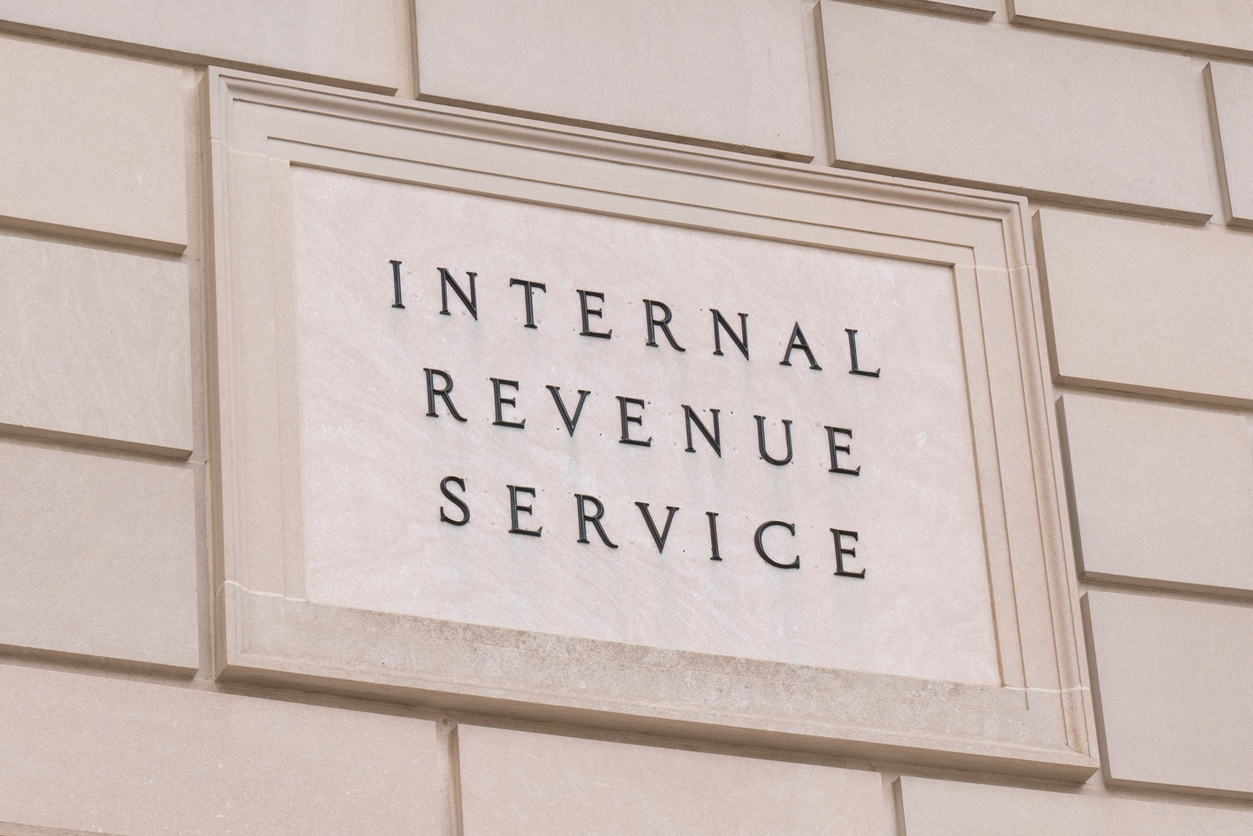
Revisions to IRM 6.752.1, Addressing Employee Misconduct, Non-disciplinary, Disciplinary and Adverse Actions
Published 2/9/2026
IRM 6.752.1 was updated to:
The timeframe for an individual employee PIP changed from 60 days to 30 calendar days. Another update to note is that the timeframe for issuing removal letters changed from 30 calendar days to 15 business days.
Contact your manager or the Deputy Ethics Official if you have ethics questions. Complete the Policy and Audits Questions Submission Form (PDF 37KB) for questions about the policies within IRM 6.752.1.

Get Ready for the PMA Challenge.Team PMA registration information will be coming soon. This information is being shared strictly as a resource for awareness and professional reference. It is not an endorsement of any organization outlet or perspective.
The Executive Operating Principles

Founder & CEO, GPS Leadership SolutionsIndustrial & Organizational Psychologist | Executive Advisor | Author
Where These Principles Come From
These Executive Operating Principles function like
laws of leadership
: ignore them and you’ll pay for it later.They are distilled from:
They are grounded in my training as an Industrial & Organizational Psychologist andcodified through GPS Leadership Solutions’ TP3™ framework:
These principles form the human operating system behind TP3™.Core Principles for Senior Leaders (★)★ Tradeoffs Are Inevitable★ You’re Always Choosing a Risk★ The Alignment Test★ Radical Ownership★ Default to Systems, Not Willpower★ Emotions Are Data, Not Orders★ Stay Yourself Under PressureThese are especially critical for executives in complex, political organizations. You’llsee them marked with ★ throughout the page.★ You Teach People How to Treat You★ People Follow Incentives★ Behavior Is the Only Evidence★ Leadership Is Always Political★ Build Political Defense Before You Need It★ Build a Personal War Chest★ Control What You Can Influence

Organizations Step Up to Help Federal Employees Leaving Service
New tools are launching to help former Feds find new jobs, as well as help with financial, emotional, and other issues. The platforms use a mix of AI, coaching, and other services.